
By Meagan Drillinger |Aug 05, 2025 Original article from Travel Weekly
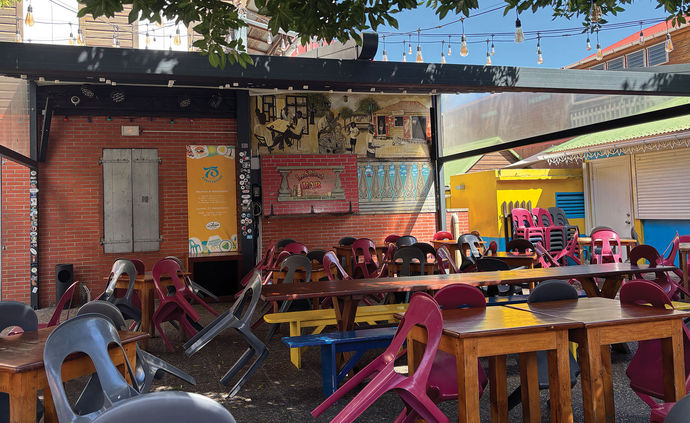
Le Select Bar is one of the oldest bars on St. Barts, founded in 1949. Photo Credit: Meagan Drillinger
On St. Barts, luxury is the baseline. Celebrity sightings, designer boutiques and an abundance of five-star hotels are the norm. At least, that has always been my impression of the island, an island I hadn’t visited myself, and an impression I was fairly certain was universal.
And while that image may be accurate, it isn’t the full picture. For travel advisors with clients who want something less flashy and more grounded, there’s another side to this legendary French Caribbean island that’s equally worth exploring.
I had my first visit to St. Barts in July and while flashy yachts and megavillas and Champagne-filled social events were certainly a big part of the picture there, I also found something a little different. I checked into Hotel Manapany, a beachfront ecoresort in Anse des Cayes that embodies a more laid-back approach to island luxury. The property has a distinctly beach house aesthetic with a chic, natural and unpretentious ethos. A weather-worn wooden deck surrounds a turquoise oceanfront pool, string lights hang out over a sandy-floor bar area, and the accommodations are solar-powered bungalows that either open up to the beachfront or sit tucked back in the trees.
Yes, it still offers the level of service and design that the island is known for and that many of your clients expect. But it will also appeal to those who value sustainability and relaxation over excess. Manapany uses solar energy, recycles its water, offers all-electric transport and even builds in subtle environmental design features, such as turtle crossings in its fencing so as not to completely upend the daily movement of local sea turtles.
A different side of the island
For clients who enjoy local experiences, St. Barts delivers when you know where to look. Corossol Beach, for example, isn’t the island’s most visually striking stretch of sand, but it’s where you’ll find the quiet roots of a traditional fishing village and far fewer tourists. Similarly, Gouverneur Beach offers an undeveloped alternative to the busier spots on the island, ideal for those looking to escape the scene and enjoy the natural beauty (and perhaps another sea turtle sighting or two).
Casual food trucks and roadside rum shacks offer a different lens on St. Barts, one rooted in local stories and unfussy aesthetics. Ginette’s, tucked along the road between Corossol and Colombier, is a prime example. A native of the island, Ginette once ran the beloved Chez Ginette rum shop in Andes des Cayes, which was lost to a fire. But her rum legacy lives on, now served from her roadside hut just outside her house.
At Grand Cul-de-Sac lagoon, the Ti’Corail food truck serves laid-back bites like tuna sashimi and cheese plates just steps from the water. Though the lagoon is only minutes from the buzz of St. Jean’s party scene, its vibe could not be more different. The water here is so shallow you can wade out hundreds of feet from the shore with barely a splash.
Even in Gustavia, the island’s chic capital, you can find a slice of that easygoing spirit at Le Select Bar, celebrating its 75th anniversary this year. This legendary local hangout is known for its ti punch (a simple rum-based concoction most popular in the French Caribbean), casual crowd and card games in the shade. Long before cellphones, it was also home to the island’s only pay phone. These types of experiences give travelers an insider’s access to the island without the formality of fine dining or the typical beach club.
The right time to visit
Another selling point for off-season travel: St. Barth in the summer is quieter, with lower rates and fewer crowds. July is a fantastic time to go because it’s right before the majority of hotels close for the season. It’s the final push before the last stragglers of tourists leave the island back in the hands of its local residents, who happily wait out rainy season in solitude until the waves of visitors begin to roll in at the end of October. Going in July guarantees relatively good weather, lower rates and fewer crowds. Hotel Manapany rates in February, for example, are about $1,800 per night. In July, however, room rates drop to about half that.
While St. Barts is considered expensive and exclusive, it’s more accessible than many think. For clients looking to avoid the cost of small charter flights, the public ferry from St. Maarten is an efficient and affordable alternative. The ride take about 45 minutes from the Dutch side of the island, and the views upon approaching St. Barts are are as scenic as the flight. My suggestion is to plan for a sunset sail and arrive on the island just as the green hills and pinkish red rooftops of Gustavia begin to glow gold. And for travelers who don’t want to commit to hundreds of euros per night for accommodations, the ferry makes it extremely easy to visit St. Barth for the day.
Advisors who lean into this version of the island can offer a fresh take on a well-known destination, one that still delivers luxury but with a little less pressure. Ultimately, it’s not about replacing the iconic image of St. Barts but expanding it. There’s a version of the island that speaks to a different set of travelers, and that’s an opportunity worth spotlighting.